You Already Know How to Use AI
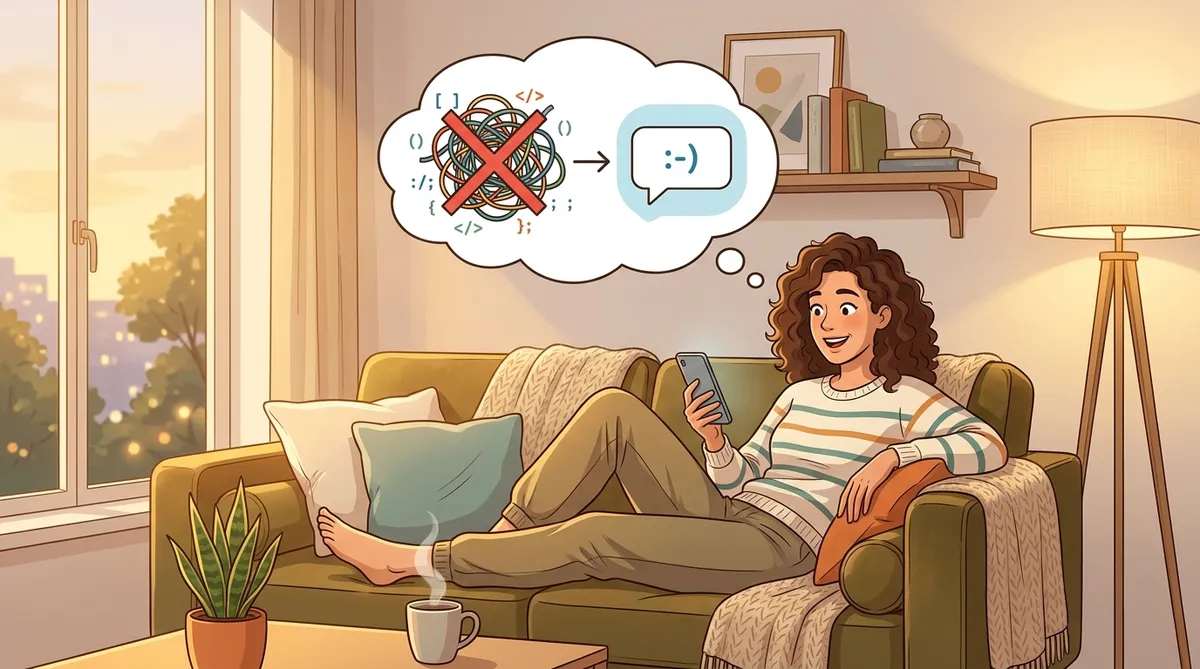
You’ve been told AI has a learning curve. That you need to understand prompts, models, tokens, and a dozen other words that sound like they belong in a computer science class.
Here’s the truth: if you can type a question into a search bar, you can use AI. That’s it. There is no learning curve. The thing people are afraid of learning doesn’t exist.
The Curve You’re Imagining vs. What’s Actually There
When most people picture “learning AI,” they imagine something like this: downloading software, reading documentation, watching tutorials, maybe writing code. It feels like learning Photoshop or Excel. A real skill with a real ramp-up.
But using AI isn’t like that at all. Here’s what it actually looks like:
- Open a website
- Type what you need, the same way you’d text a friend
- Read the answer
That’s the whole process. No installation. No account required for most tools. No manual.
The real difference
You’ve Already Done This Before
Remember when Google was new? People used to joke that they didn’t know “how to Google.” Now we don’t even think about it. You just type what you’re looking for and scan the results.
AI is the same jump. Instead of typing keywords and scanning links, you type a full question and get a direct answer. You went from library card catalogs to Google without a class. You’ll go from Google to AI the same way.
Your first AI conversation
"I have a job interview on Thursday for a marketing coordinator position. What are the most common questions they'll ask, and how should I prepare?"
That’s not a “prompt.” That’s just talking. You already know how to do this.
What People Actually Mean by “Learning AI”
When someone says AI has a learning curve, what they usually mean is one of these:
“I don’t know what to type.” You do. Type exactly what you’d say to a coworker who offered to help. “Can you help me write a thank-you email to my boss?” works perfectly.
“I don’t know which tool to use.” Start with any free one. ChatGPT, Claude, Gemini. They all work the same basic way: you type, they respond. Pick one and go.
“I tried it once and the answer wasn’t great.” That’s normal. The first answer is always generic. Say “make it shorter” or “be more specific about my situation” and watch how quickly it improves. One follow-up question is usually all it takes.
The only skill you build over time
The 2-Minute Test
If you’re still not sure, try this right now. It takes less time than reading the rest of this article.
- Pick something real you need help with today (dinner ideas, a work email, planning your weekend)
- Open any AI tool (ChatGPT, Claude, or Gemini all have free options)
- Type what you need in plain English, like you’re explaining it to a helpful coworker
- Read the answer
That’s it. You just used AI. No learning curve required.
The Barrier Was Never Knowledge
The real barrier isn’t learning a skill. It’s the decision to try. Every day you wait because it “seems complicated” is a day you could have been getting help with the things that eat up your time.
You already know how to ask questions. You already know how to explain what you need. That’s 100% of what it takes.
Try it right now
Pick one thing you need help with today. Open any AI tool and just ask. You'll be surprised how easy it is.