Does AI Really Matter for Your Job? Here's How to Tell

You keep hearing it. AI is changing everything. AI is the future. Learn AI or get left behind.
But nobody tells you the part that actually matters: AI does not affect every job the same way. For some people, it could save hours every week. For others, it barely changes anything right now.
So instead of guessing, let’s figure out where you stand.
The One Question That Matters
Think about your average workday. How much of your time goes to these four tasks?
- Writing (emails, reports, notes, messages, forms)
- Organizing (scheduling, sorting, filing, tracking, updating spreadsheets)
- Researching (looking things up, comparing options, gathering information)
- Summarizing (reading long things and pulling out the key points)
Those four categories are where AI is strongest right now. Not in the future. Right now, today.
If you spend more than half your work time on some combination of those four things, AI could genuinely change how your week feels.
Quick Check
What This Looks Like in Real Jobs
This is not just about office workers at desks. Here’s how it plays out across different kinds of work.
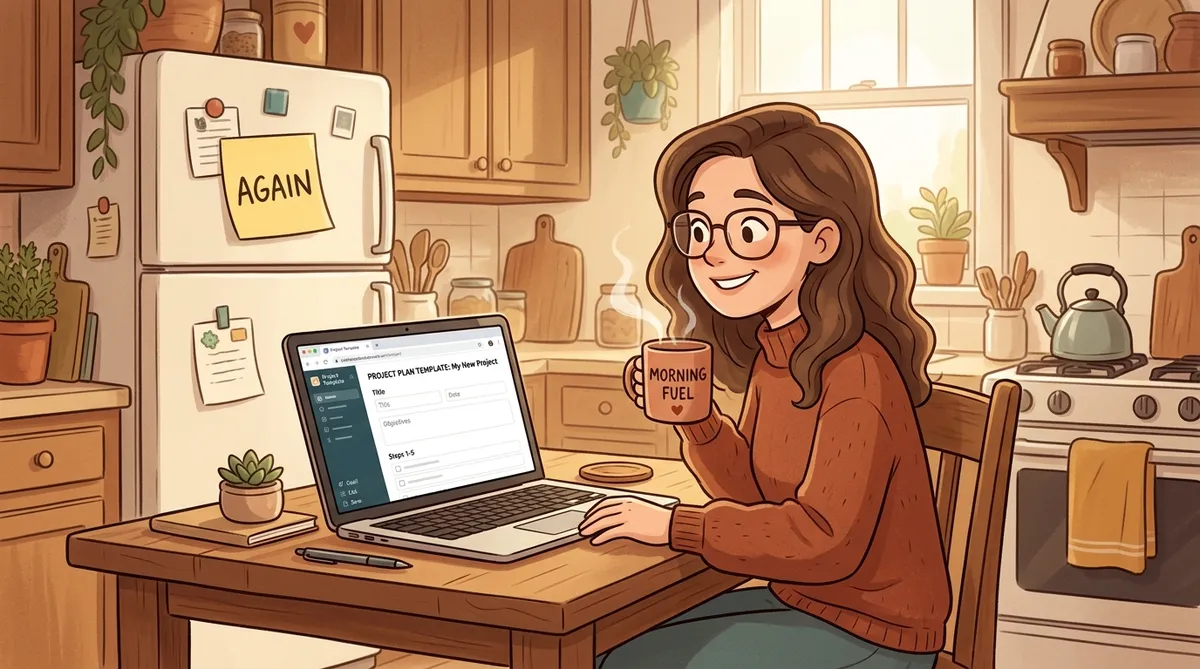
If you’re in an office or admin role, you probably spend most of your day in those four categories already. Drafting emails, updating trackers, pulling numbers together for reports. AI can handle the first draft of almost all of that while you handle the thinking and decision-making.
If you work in customer service or support, a big chunk of your time goes to writing responses, looking up answers, and summarizing issues. AI is great at drafting replies you can review and send. It can search your company’s knowledge base faster than you can scroll through it.
If you do something creative (design, writing, marketing, content), AI is a strong brainstorming partner. It can generate rough drafts, suggest alternatives, and handle the tedious parts (like resizing descriptions for different platforms) so you can focus on the creative decisions.
If you work with your hands (trades, healthcare, service industry), your core skill is physical and human. AI is less central to the actual work. But it can still help with the paperwork side: invoicing, scheduling, writing up estimates, responding to customer inquiries, keeping records organized.
- I spend 2+ hours a day writing emails, messages, or documents
- I regularly research or compare information to make decisions
- I organize schedules, spreadsheets, or trackers as part of my job
- I often need to summarize long documents, meetings, or conversations
- I answer similar questions or write similar responses repeatedly
If you checked three or more, AI is highly relevant to your work right now.
What “Relevant” Actually Means
Let’s be clear about what this does and does not mean.
It does not mean AI will replace you. It means the parts of your job that feel repetitive, tedious, or time-consuming are exactly the parts AI handles well. The thinking, the judgment, the relationships, the creativity? That’s still you.
What changes is your speed. The person who can draft a report in 10 minutes instead of an hour has a real advantage. The person who can research three options in the time it used to take to research one makes better decisions, faster.
That’s what “AI matters for your job” actually means. Not that a robot takes your seat. It means the people in your field who learn to work with AI will move faster and produce more, and that shifts what employers expect over time.
The Real Shift
If Your Score Is Low, That’s Fine
Not every job is heavily affected by AI right now. If your work is mostly physical, relational, or creative in ways that require human judgment and presence, AI is a nice-to-have, not a must-have.
That said, even low-score jobs usually have some paperwork, some communication, some scheduling. AI can help with those edges. You might not need it every day, but knowing how to use it when you do is still worth the small investment.
Think of it like learning to use a spreadsheet. Not everyone needs one daily, but the person who can put one together when the situation calls for it has an edge over the person who can’t.
What to Do Next
Based on your self-assessment, here’s a simple starting point.
If most of your week is writing, organizing, or researching: Start with the task you do most often. If that’s email, try asking AI to draft a few responses for you this week. If it’s research, try asking AI to compare options or summarize a long document. One task, one week. See what happens.
Try This With Your Most Common Task
I work as a [your role]. The task I spend the most time on each week is [describe it]. Can you help me do this faster? Walk me through how you'd approach it, and give me a template I can reuse.
If your work is mostly hands-on but has a paperwork side: Pick one admin task that annoys you. Invoicing, estimates, scheduling, customer follow-ups. Try handing the first draft to AI and see if it saves you time. You might be surprised.
Offload One Admin Task
I'm a [your trade/role] and I spend too much time on [specific admin task]. Can you help me create a reusable template for this? Here's what I usually include: [list the key details].
If your score is low and AI doesn’t feel urgent: No pressure. Bookmark this site and come back when a task comes up that feels tedious enough to experiment with. You’ll know when the time is right.
The Point Is Not to Panic
AI is not a test you’re failing. It helps more in some jobs than others, and the goal is knowing where you stand so you can make a smart decision about how much time to invest.
If your work is full of writing, organizing, and researching, even 30 minutes learning how AI can help with those tasks could save you hours every week. That’s worth knowing.
And if your work doesn’t overlap much with what AI does today? That could change in a year or two, and you’ll be glad you at least understand the basics.
Either way, you’re asking the right question. That puts you ahead of most people.
Ready to Try Your First Task?
Pick the thing you do most at work and hand it to AI. Start with one task, one week.